
Tabarca Island, Spain: The Ultimate Guide to Spain’s Smallest Inhabited Island
Ever dreamed of escaping to a tiny paradise island with crystal-clear waters, secret coves, and fresh seafood? Meet Tabarca Island, the only inhabited island in the Valencian Community!


Nestled off the coast of Alicante, Tabarca Island is a Mediterranean gem that combines rich history, stunning natural beauty, and a tranquil atmosphere. Recognized as Spain’s smallest permanently inhabited island, Tabarca offers visitors a unique escape characterized by its crystal-clear waters, charming village, and vibrant marine life. Whether you’re planning a day trip or an overnight stay, this guide will provide insights into the island’s population, transportation options—including glass-bottom boat tours—and essential travel tips.

Population and Demographics
Tabarca Island has experienced significant demographic changes over the years. In the late 19th century, the population peaked at around 1,000 residents. However, by 2009, the number had declined to approximately 73 inhabitants. As of 2019, census records indicate a modest population of 51 residents, though this number surges during the high season when the island welcomes up to 3,000 daily visitors. This decline is attributed to limited economic opportunities and the allure of better employment prospects on the mainland.
How to Get to Tabarca Island
Access to Tabarca Island is exclusively by sea, with several options available to visitors:
- Ferry Services: Regular ferries operate from Santa Pola, Alicante, and Torrevieja. The shortest route is from Santa Pola, with a journey time of approximately 15-20 minutes. Ferries from Alicante and Torrevieja take about 45-60 minutes.
- Glass-Bottom Boat Tours: For a unique experience, consider taking a glass-bottom boat, which allows passengers to view the rich marine life en route to the island. These tours typically depart from Santa Pola and Alicante. Prices vary depending on the operator and season but generally range from €10 to €23 for a round trip.
- Private Charters: For a personalized experience, private boat charters are available, offering flexibility in departure times and itineraries.
Tip: During peak summer months, it’s advisable to book your tickets in advance due to high demand.
Things to Do on Tabarca Island

1. Explore the Historical Village
Stroll through the island’s quaint village, characterized by whitewashed houses, narrow streets, and historical landmarks:
- Church of St. Peter and St. Paul: Built in 1779, this church stands as a testament to the island’s rich religious heritage.
- Governor’s House: Once the residence of the island’s governor, this building now functions as a hotel, preserving its historical architecture.
- Fortified Walls and Gates: Constructed under the orders of King Carlos III, these structures were designed to protect the island from pirate invasions.
2. Enjoy the Beaches and Coves
Tabarca boasts pristine beaches and secluded coves, perfect for relaxation and water activities:
- Playa Grande: The main beach offers golden sands and clear waters, ideal for swimming and sunbathing.
- Cala del Francés: A secluded cove known for its tranquility and excellent snorkeling opportunities.
3. Snorkeling and Diving in the Marine Reserve
The waters surrounding Tabarca were declared Spain’s first Marine Reserve in 1986, covering an area of 1,400 hectares. The reserve is home to diverse marine species, including sea bass, grouper, and the endangered Mediterranean monk seal. Snorkeling and diving are popular activities, offering a glimpse into this underwater paradise.
4. Savor the Local Cuisine
Indulge in traditional Mediterranean dishes at local eateries:
- Caldero: A hearty fish and rice stew, emblematic of the island’s culinary tradition.
- Fresh Seafood: Enjoy dishes featuring locally caught fish, octopus, and shellfish.
Recommended Restaurants:
- Restaurante Casa Ramos: Known for its authentic Tabarquino dishes and sea views.
- Nou Collonet: Offers a variety of seafood tapas in a cozy setting.
5. Experience the Island’s Flora and Fauna
Beyond its marine life, Tabarca hosts unique terrestrial flora and is a haven for birdwatchers, especially during migratory seasons.
Accommodation on Tabarca Island
While many visitors opt for day trips, the island offers accommodations for those wishing to extend their stay:
- Hotel Isla Tabarca: Situated in the historic Governor’s House, this hotel combines modern amenities with historical charm.
- La Trancada: A boutique guesthouse offering personalized service and comfortable rooms.
Note: Accommodation options are limited, so booking in advance is essential, especially during peak seasons.
Find the best offerst here:
Essential Travel Tips
- Best Time to Visit: Late spring to early autumn offers favorable weather conditions.
- Cash and Payments: Some establishments may not accept credit cards; carrying cash is advisable.
- Footwear: Comfortable walking shoes are recommended due to the island’s cobblestone streets.
- Environmental Respect: As a protected area, visitors should adhere to guidelines to preserve the island’s natural beauty.
Final Thoughts
Tabarca Island seamlessly blends historical intrigue with natural splendor, offering visitors a unique Mediterranean experience. From exploring its storied village to immers


Holiday Packages
Hotel Deals
Holiday Packages


Also Discover …

Reyes Magos Tradition: Spain’s Beloved Tradition Comes Alive in Costa Blanca
Reyes Magos Tradition Spain’s Beloved Tradition Comes Alive in Costa BlancaIn Spain, Christmas doesn’t truly end until the magical night of January 5th and the grand festivities of January 6th. This is when the Reyes Magos tradition in Spain, or Three Kings Day,...
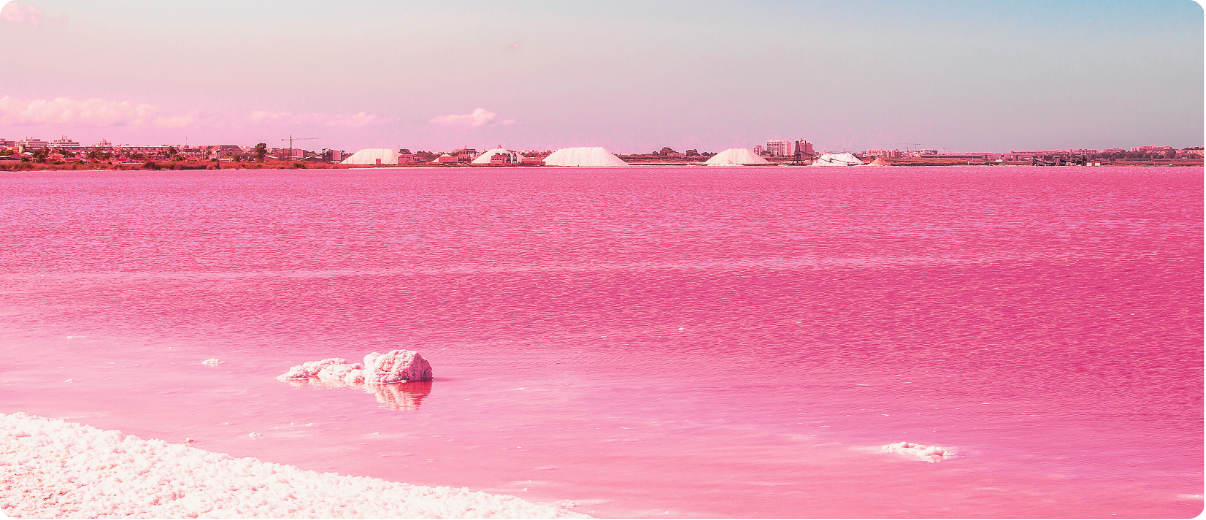
Tourist Train to Torrevieja Lagoons: Discover the Pink Lagoon and Flamingo Paradise
Tourist Train to Torrevieja Lagoons Discover the Pink Lagoon and Flamingo ParadiseNestled in the heart of Costa Blanca, Torrevieja’s Laguna Rosa—famously known as the Pink Lagoon—is a breathtaking natural wonder that promises an unforgettable experience. The best way...